The History of “In God We Trust” on United States Coinage
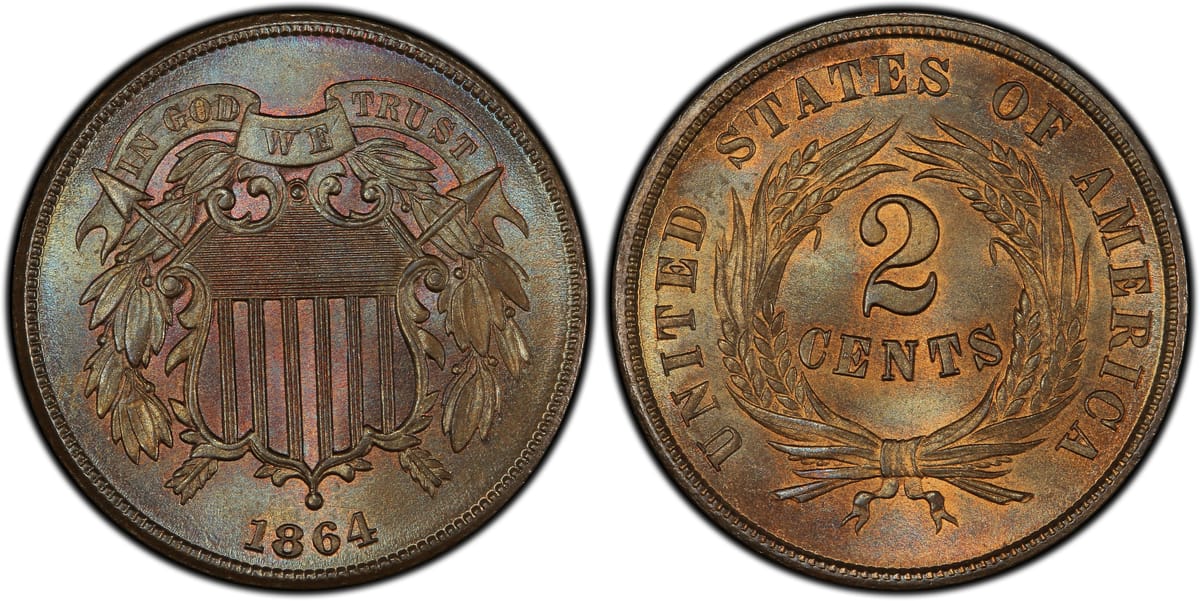
The phrase “In God We Trust” is now so familiar on American coins and bills that it feels eternal—but it’s actually a relatively modern addition with deep roots in the Civil War era. Here’s the full story of how a pious plea from a Pennsylvania minister ended up becoming the official motto of the United States and the only religious phrase ever required on its money.
The First Step: The 2-Cent Piece of 1864
The very first U.S. coin to bear “In God We Trust” was the two-cent piece issued in 1864.
- In November 1861, Reverend M. R. Watkinson of Ridleyville, Pennsylvania, wrote to Treasury Secretary Salmon P. Chase suggesting that American coins should “recognize Almighty God in some form.”
- Chase liked the idea. On November 20, 1861, he instructed Mint Director James Pollock to prepare a motto expressing national dependence on God.
- Pollock proposed several options, including “God Our Trust” and “God and Our Country.” Chase ultimately selected “In God Is Our Trust,” which was soon shortened to the now-iconic “In God We Trust.”
- Congress authorized the new motto in the Act of April 22, 1864, and the first coins bearing it (the bronze two-cent piece) entered circulation later that year.
Expansion to Other Denominations (1865–1908)
After the two-cent piece proved popular, Congress gradually extended the motto:
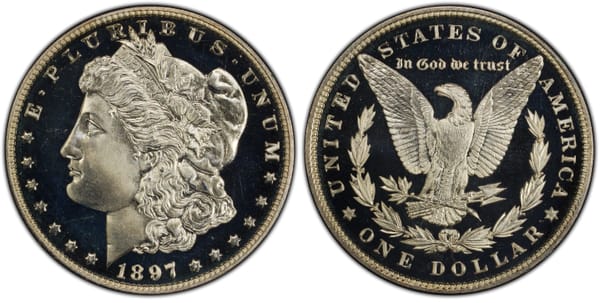
- 1865: The $20 and $10 gold double eagles and the silver dollar, half dollar, and quarter dollar were authorized to carry it.
- 1866: Additional silver and gold coins added.
- 1873: The motto appeared on the new gold dollar and the $3 gold piece.
- By the early 20th century: Almost every gold and silver coin carried the phrase.
One notable exception was the five-cent nickel (the “nickel”), which did not receive the motto until 1938.
The Key Legislative Moment: The Act of 1873
The Coinage Act of February 12, 1873 consolidated earlier laws and made “In God We Trust” mandatory on all U.S. coins “when sufficient space permits.” This is why some smaller coins (like the dime in certain years) occasionally omitted it for purely technical reasons.
Teddy Roosevelt’s Objection (1907–1908)
Not everyone loved the idea.
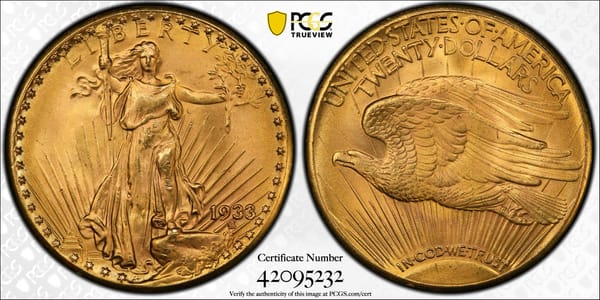
In 1907, President Theodore Roosevelt asked sculptor Augustus Saint-Gaudens to redesign the $10 and $20 gold pieces. Roosevelt objected to placing God’s name on money, writing:
“To put such a motto on the coins… not only does no good but does positive harm… It is a debasement of a religious sentiment.”
Congress disagreed. Public outcry was immediate and fierce. In 1908, Congress passed a law requiring “In God We Trust” to appear on all gold and silver coins that had previously carried it, effectively overriding Roosevelt.
The beautiful Saint-Gaudens double eagles were issued with the motto restored on the reverse.
Becoming the Official National Motto (1955–1956)
During the early Cold War, with “godless communism” as the perceived enemy, religious symbolism gained new urgency.
- April 1955: Congress passed a law requiring “In God We Trust” on all U.S. coins and paper currency.
- July 11, 1955: President Dwight D. Eisenhower signed it into law.
- July 30, 1956: A joint resolution made “In God We Trust” the official motto of the United States, replacing the unofficial “E Pluribus Unum” (which remains on the Great Seal).
Paper Money and Modern Usage
Paper money first received the motto in 1957 on the one-dollar silver certificate, and by 1966 it appeared on all Federal Reserve notes.
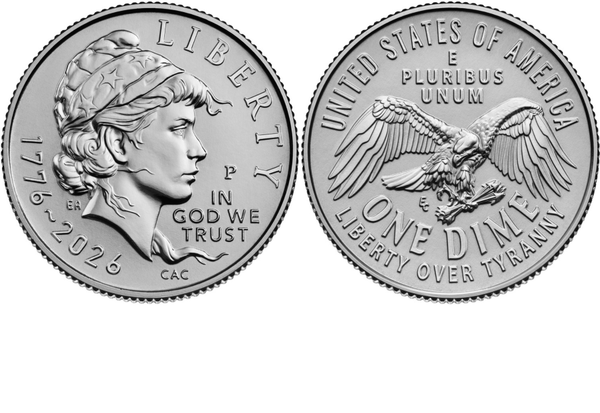
Today, every circulating U.S. coin and paper bill carries “In God We Trust,” making it the longest-running religious phrase on any nation’s currency.
Legal Challenges
The motto has been challenged numerous times as a violation of the First Amendment’s Establishment Clause. Every major federal court and the Supreme Court (by declining to hear appeals) has upheld its constitutionality, ruling that:
- It has no theological meaning in this context.
- It is a form of “ceremonial deism.”
- It reflects historical tradition rather than religious endorsement.
The most recent major ruling was the Eighth Circuit’s 2018 decision in Freedom From Religion Foundation v. Chafuen, which reaffirmed that the motto is constitutional.
Timeline Summary
| Year | Event |
|---|---|
| 1861 | Rev. Watkinson writes to Treasury Secretary Chase |
| 1864 | First appearance on the 2-cent piece |
| 1865–1873 | Gradually added to most gold and silver coins |
| 1873 | Coinage Act makes motto mandatory when space permits |
| 1907–1908 | Roosevelt tries to remove it; Congress forces its return |
| 1938 | Added to the five-cent nickel |
| 1955 | Required on all coins and paper currency |
| 1956 | Declared the official national motto of the United States |
| 1957–1966 | Appears on all paper money |
From a minister’s letter during the darkest days of the Civil War to a Cold War reaffirmation of faith, “In God We Trust” is far more than a four-word phrase—it’s a window into America’s evolving relationship between faith, patriotism, and currency.