The Buffalo Nickel’s Quick Makeover: Why the US Mint Switched Designs in 1913
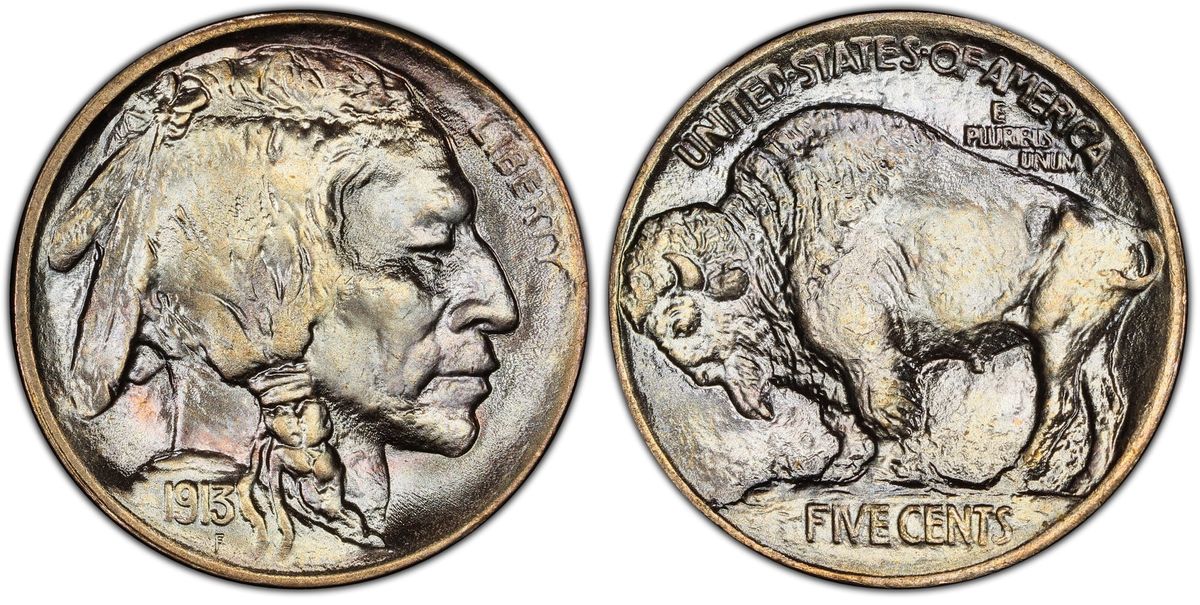
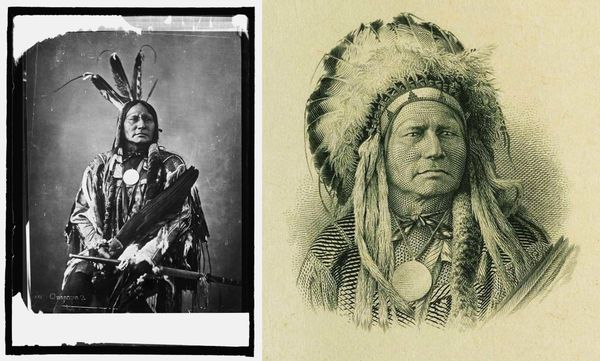
Few coins capture the spirit of the American West quite like the Buffalo Nickel. Designed by sculptor James Earle Fraser and introduced in 1913, it features a stoic Native American profile on the obverse and a powerful American bison on the reverse. Yet within months of its release, the Mint made a noticeable design change, creating what collectors now call the Type 1 and Type 2 varieties. This wasn’t a stylistic whim, it was a practical response to a flaw that became obvious almost immediately in circulation.
The original Type 1 Buffalo Nickel, struck early in 1913, shows the bison standing on a raised mound or “ground.” The words “FIVE CENTS” appear along the side of this elevated mound, just below the animal. Fraser’s design was artistically striking and celebrated for its bold, naturalistic detail. However, the high-relief elements—particularly the raised ground and the denomination—proved problematic once the coins entered everyday use. The copper-nickel alloy used for nickels is tough, but circulation wear hits raised features first.
As the coins passed from hand to hand, pocket to pocket, and through cash registers, the “FIVE CENTS” inscription began wearing down rapidly. On many surviving Type 1 examples, especially those that saw heavy circulation, the denomination becomes faint or nearly illegible while other parts of the design remain clearer. This was unacceptable for a circulating coin; merchants and users needed to quickly identify its value without squinting or using a magnifying glass. The Mint recognized the issue shortly after the coin’s release in early 1913 and acted decisively.
Enter the Type 2 design, introduced later the same year. Chief Engraver Charles Barber modified the dies by cutting away much of the raised mound, creating a flatter line or plane beneath the buffalo. This change created a recessed “exergue” area where “FIVE CENTS” could sit lower, protected by the surrounding metal and the rim of the coin. The bison now appears to stand on level ground rather than a prominent hill. This seemingly small adjustment significantly improved the coin’s durability in circulation.
The transition happened mid-year, which explains why both types exist for 1913 from all three mints (Philadelphia, Denver, and San Francisco). Interestingly, more Type 1 coins were produced overall in 1913, but the Type 2 became the standard for the rest of the series through 1938. The change highlights how the Mint balanced artistic vision with the harsh realities of mass production and everyday wear. Fraser’s beautiful original concept had to be tweaked for practicality, a common theme in U.S. coinage history.
Today, the Type 1 “Raised Ground” Buffalo Nickels remain popular with collectors precisely because of their short production window and historical significance. They serve as a fascinating snapshot of a design that was almost perfect—but needed just a bit more resilience to survive in the pockets of a growing nation. Whether you’re a seasoned numismatist or a casual admirer of classic American coinage, the story of the Buffalo Nickel’s quick evolution reminds us that even iconic designs often undergo real-world testing and refinement.
Sources
- Coolstax – “The Buffalo Nickel – Type 1 and Type 2” (October 8, 2017) https://coolstax.com/the-buffalo-nickel-type-1-and-type-2/ Details on the raised mound flaw and rapid wear of “FIVE CENTS.”
- BuffaloNickel.org – “1913 Buffalo Nickel, Type 1 and Type 2” (March 22, 2012) https://buffalonickel.org/1913-buffalo-nickel-type-1-and-type-2/ Clear explanation of the redesign purpose: recessing the denomination for better wear resistance.
- CoinWeek – “Buffalo Nickel, Type 2 (1913-1938)” (May 6, 2025) https://coinweek.com/buffalo-nickel-type-2-1913-1938-coinweek/ Information on the Mint’s quick response, Charles Barber’s modifications, and timing of the change.
- Error-Ref.com – “1913 Buffalo Nickel Type I And Type II” https://www.error-ref.com/1913-buffalo-nickel-type-i-and-type-ii/ Technical details on the mound modification and exergue creation.
- Golden State Mint Blog – “Buffalo Nickel Origins And Collector Insights” (December 23, 2025)https://www.goldenstatemint.com/blog/buffalo-nickel-origins-and-collector-insights/ Context on production differences and real-time Mint response.
- The Spruce Crafts – “Valuable Buffalo Nickel Key Dates, Rarities, and Varieties” (September 19, 2024)https://www.thesprucecrafts.com/buffalo-nickel-dates-rarities-varieties-768273 Summary of the wear issue and protective design changes.